Apple is quietly developing three new wearable devices that could reshape how we interact with AI in everyday life. According to a recent report from Bloomberg's Mark Gurman, the company is working on smart glasses, AirPods with built-in cameras, and a small AI pendant. All three devices are designed to work as visual assistants that feed context to Siri.
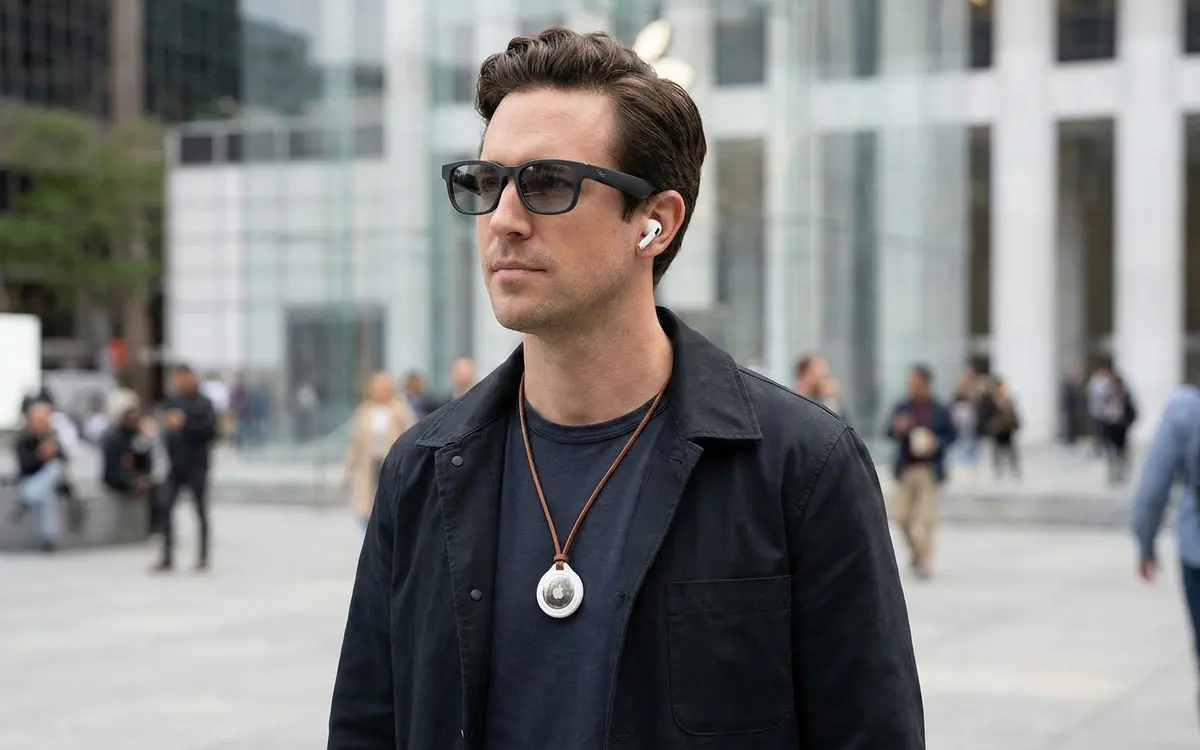
Each device will pair with your iPhone and use cameras to understand your surroundings. The AirPods and pendant will feature lower-resolution cameras meant purely for AI processing, not photography. Apple employees reportedly describe the pendant as the "eyes and ears" of your phone. It clips to clothing or hangs as a necklace and includes a microphone for Siri commands.
Three Different Approaches to AI Wearables
The pendant represents Apple's take on a category that has seen mixed results. Humane tried something similar with its AI Pin, which aimed to replace smartphones entirely. Apple's version takes a different approach. It works as an iPhone accessory rather than a standalone device. The pendant captures visual context continuously and feeds it to Siri, but its processing power sits closer to AirPods than the Apple Watch.
The AirPods with cameras are equally interesting. These would add visual sensing to Apple's popular earbuds without changing their core function. The cameras help AI understand what you're looking at while you keep the earbuds in place. This could enable hands-free queries about objects in your environment.
Smart Glasses Without Screens
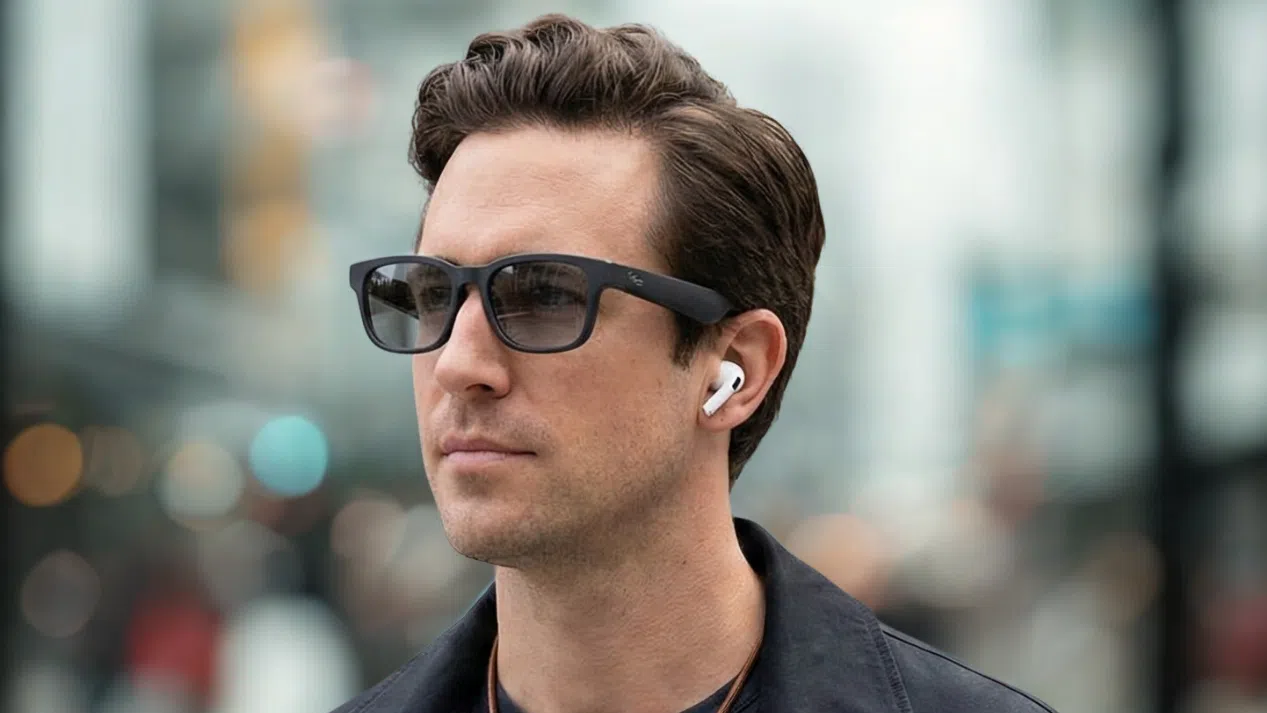
Perhaps the most ambitious project is Apple's smart glasses. Unlike the Vision Pro headset, these glasses won't have displays. Instead, they focus entirely on AI-powered visual assistance through dual cameras. One camera handles high-resolution imagery while another manages computer vision tasks using technology similar to the Vision Pro.
The glasses will include speakers, microphones, and Apple's signature build quality. The company reportedly plans to differentiate them from Meta's Ray-Ban smart glasses through better cameras and in-house designed frames available in multiple sizes and colors.
What These Devices Actually Do
The practical applications sound genuinely useful. You could look at a poster and have the event automatically added to your calendar. The glasses might remind you to grab specific items when you're looking at the right shelf in a grocery store. For navigation, Siri could reference real-world landmarks, telling you to walk past a specific building before turning.
Tim Cook reportedly told employees at a recent all-hands meeting that Apple is investing heavily in new AI-enabled product categories. He noted that "the world is changing fast" and the company needs to keep pace.
The Bigger Question
These wearables arrive as Apple works to improve Siri itself. The company has faced delays in releasing its overhauled AI assistant, even partnering with Google to power some features. The success of these new devices depends heavily on how well the underlying AI actually performs.
The pendant and glasses are reportedly targeting a 2027 launch, though timelines could shift. They represent Apple's search for the next major product category after the Vision Pro struggled to find mainstream appeal. Whether consumers actually want camera-equipped accessories feeding constant visual data to AI assistants remains an open question.