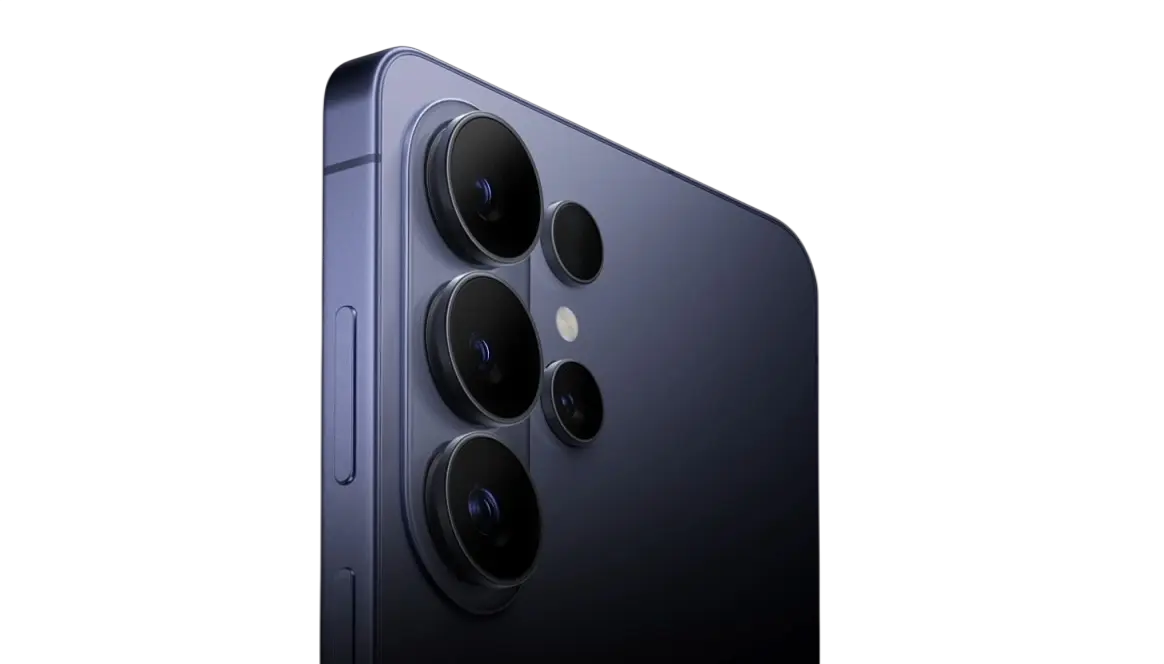
With the Galaxy S26 Ultra now official, attention is already shifting toward what Samsung has planned for its next-generation flagship. Fresh leaks suggest the company is working on a substantial camera upgrade that could finally break its four-year streak of using similar sensors across the Galaxy S series.
New 200MP ISOCELL Sensor in Development
According to tipster Digital Chat Station, Samsung is developing a new flagship 200MP ISOCELL sensor internally codenamed HPA. This sensor reportedly features a large 1/1.12-inch format, bringing it close to the 1-inch sensor size that has become increasingly popular in premium smartphones.
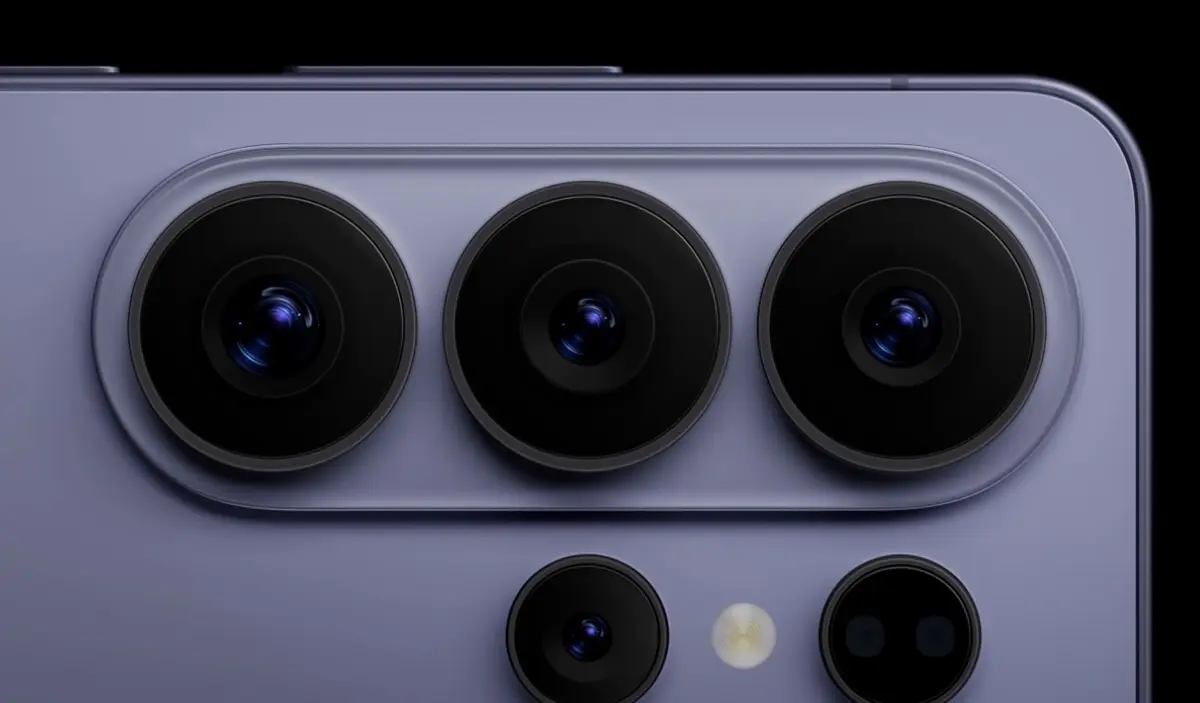
The timeline points to a 2027 debut, which aligns perfectly with the expected launch window for the Galaxy S27 series. If these reports prove accurate, this would mark Samsung's most significant camera hardware upgrade in years.
LOFIC Technology and Dual Sensor Strategy
The leak also indicates that this new sensor will support LOFIC (Lateral Overflow Integration Capacitor) technology. This advanced imaging technique helps improve dynamic range and reduces highlight clipping in high-contrast scenes, addressing one of the common challenges in mobile photography.
However, another well-known tipster, Ice Universe, offers a slightly different perspective. According to his sources, the Galaxy S27 Ultra might feature a tweaked variant called HP6 instead of the full HPA sensor. This version would reportedly measure 1/1.3 inches—smaller than the HPA but still larger than current Samsung flagship sensors.
What This Means for Mobile Photography
Despite the size difference between the HPA and HP6 variants, both sensors are expected to deliver comparable performance. The move toward larger sensors represents Samsung's response to competitors who have already adopted near 1-inch camera sensors in their flagship devices.
The Galaxy S27 series remains approximately a year away from its official unveiling, leaving plenty of time for additional leaks and specification details to surface. Samsung's camera hardware has remained relatively consistent across recent generations, so this potential shift toward larger sensors with advanced technologies like LOFIC could signal a new direction for the company's mobile photography strategy.